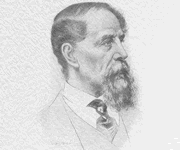
Whenever I’m asked why I created a site about the life and work of Charles Dickens, I point to something remarkable in Dickens’s early life.
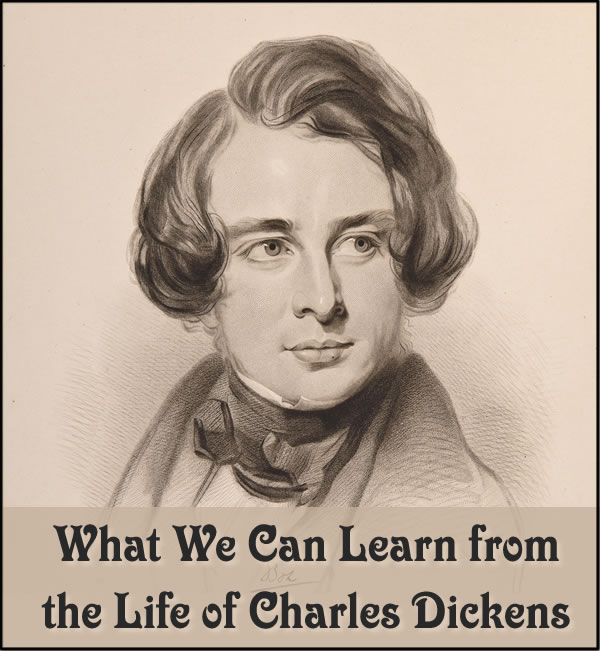
What We Can Learn from the Life of Charles Dickens
By Marsha Perry, Publisher of CharlesDickensInfo.com
Last Updated November 12, 2025 – Originally Published July 5, 2012
Whenever I’m asked why I created a site about the life and work of Charles Dickens, I point to something remarkable in Dickens’s early life.
Even as a child — long before fame or fortune — he held fast to a vision of the person he hoped to become. He wanted to be a gentleman, despite every disadvantage around him.
That early determination is powerful, and it’s one of the things that inspires me most about his story.
His family was constantly on the edge of financial and social disaster.
They had some limited funds put aside to send one of their children to a university or academy.
Mr. and Mrs. John Dickens considered the talents and qualifications of all their children. They wanted to use the money earmarked for education where it would do the most good.
It was as if they were placing all their bets on one child.
Charles was not that child.
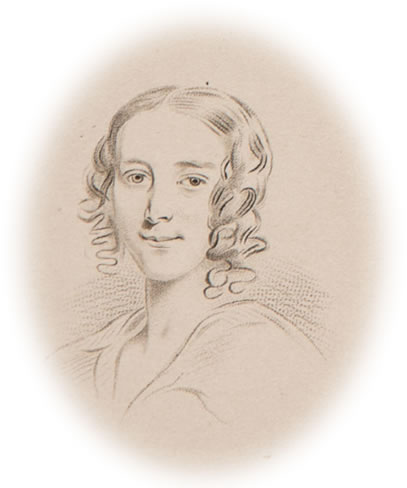
Fanny Dickens around 1842
His parents chose to send their daughter, Fanny, to school. She had a talent for music and was sent to an academy.
Not long after that, they sent Charles to work at the blacking factory. It was the darkest time of his life. It seemed as if everything was against him.
However, Charles Dickens had talent, and more importantly, he had the desire and drive to succeed. He had a dream and a firm belief in himself.
As a result, Charles Dickens worked hard to make his dream life into reality.
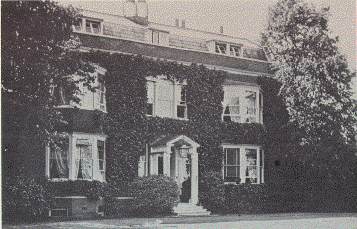
Gad’s Hill Place – When Dickens was young, he was told that if he “were to be very persevering and work very hard” he might one day live in this beautiful house. He did! Dickens bought the house in 1856.
His drive was a double-edged sword. The force of will that enabled him to succeed sometimes prevented him from taking an honest look at his own life.
He was stubborn and sometimes quick-tempered. He often blamed others for the problems that he himself caused.
And yet, how many of us have tried for a day or even an hour to let the spirit of Christmas live in our heart.
At the end of the day, a study of the life of Charles Dickens has taught me several things.
Perfection is not a qualification for or the measure of success. Secondly, no person or set of circumstances can define us. We are defined by what we do.
Shop For Charles Dickens Biographies